

Have you ever wondered Can Charging Phone Overnight Damage Battery? It’s a question that has sparked debates among smartphone users for years. We’ve all heard the warnings: “Don’t overcharge your phone, it’ll ruin the battery!” But is there any truth to this common belief, or is it just another urban myth?
Let’s find out the mysteries surrounding overnight charging and its potential impact on your beloved smartphone battery.
Key Takeaways
- Charging your phone overnight won’t damage your battery, contrary to popular belief.
- Lithium-ion batteries are the most common type of battery used in smartphones.
- Temperature can have a significant impact on the lifespan of your battery.
- Charging cycles can also affect the health of your battery over time.
- Proper calibration and management of your battery can help prolong its lifespan.
Understanding Lithium-Ion Batteries
Most smartphones today use lithium-ion batteries due to their high energy density and long-lasting performance. These batteries have revolutionised the mobile industry by providing a reliable power source for our devices. However, it is important to understand both the advantages and disadvantages of lithium-ion batteries.
One advantage of lithium-ion batteries is their ability to hold a charge for extended periods without losing much power. This makes them ideal for portable devices like smartphones that require long-lasting battery life throughout the day. Additionally, lithium-ion batteries have a high energy density, meaning they can store more energy in a smaller size compared to other types of rechargeable batteries.
On the other hand, lithium-ion batteries do have some limitations. They are sensitive to extreme temperatures; exposure to heat or cold can affect their performance and lifespan negatively. Moreover, over time, these batteries may experience capacity degradation due to chemical reactions occurring within them during charging cycles.
How Lithium-Ion Batteries Work
To understand why charging your phone overnight does not damage its battery as commonly believed, it is crucial to grasp how lithium-ion batteries function at a fundamental level.
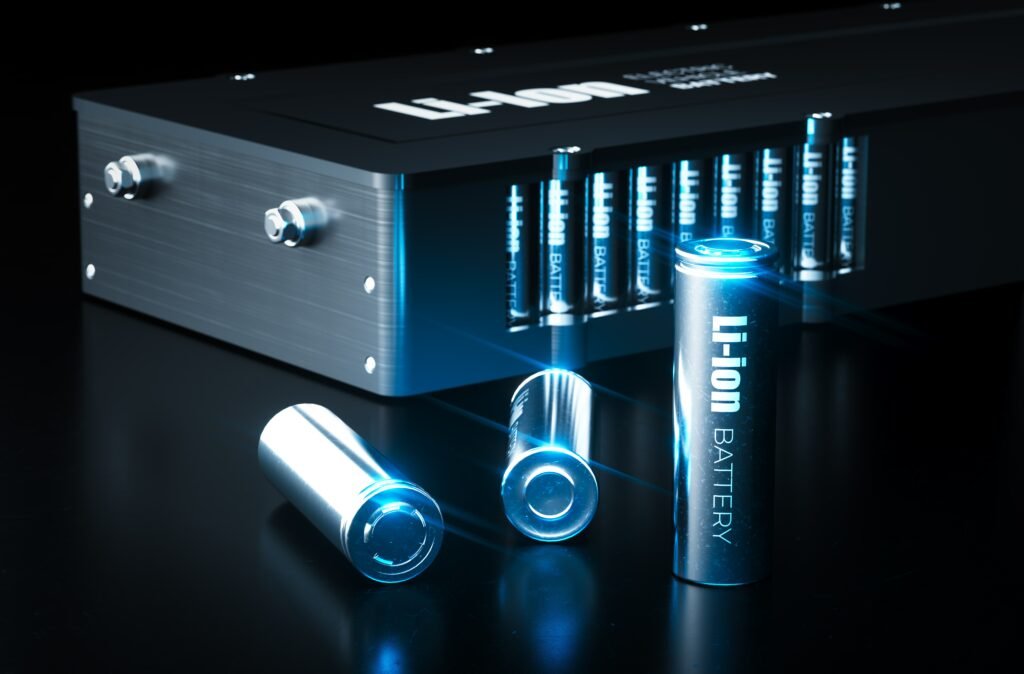
Lithium-ion batteries consist of three main components: an anode (negative electrode), cathode (positive electrode), and electrolyte (conductive medium). During charging cycles when you plug in your phone’s charger into an electrical outlet or USB port, a chemical reaction occurs within the battery.
When charging, lithium ions move from the cathode to the anode through the electrolyte. This process is reversed when you use your phone and discharge its battery. The movement of these ions allows for the flow of electrical current, powering your device.
It is important to note that modern smartphones are equipped with sophisticated battery management systems that regulate charging and discharging processes to optimise performance and protect against overcharging or overheating.
The Impact of Temperature on Battery Life
Extreme temperatures can have a significant impact on smartphone battery life and overall performance. Exposure to high temperatures can accelerate capacity degradation, reducing the overall lifespan of your battery. On the other hand, extreme cold temperatures can temporarily reduce battery performance by slowing down chemical reactions within the battery.
To ensure optimal battery health in different temperature conditions, it is advisable to avoid exposing your phone to direct sunlight or leaving it in hot cars during summer months. Similarly, during winter months, keeping your phone warm by storing it in an inside pocket or using a protective case can help maintain its performance in cold weather.
The Effect of Charging Cycles on Battery Health
Charging cycles refer to how many times you fully charge and discharge your smartphone’s battery. It is commonly believed that frequent charging cycles can degrade a lithium-ion battery’s capacity over time. However, this belief is not entirely accurate.
Modern lithium-ion batteries are designed for frequent charging cycles without significant capacity loss. In fact, shallow discharges (partial discharges) followed by recharging are better for prolonging their lifespan compared to deep discharges (fully draining) followed by recharging.
It is worth noting that completely draining your phone’s battery occasionally (once every few months) may help recalibrate its power gauge accurately but should not be done regularly as it puts unnecessary strain on the cells.
The Importance of Battery Calibration
Battery calibration refers to resetting or recalibrating the power gauge of your smartphone’s battery to provide accurate information about its remaining charge. This process is essential for maintaining an accurate battery level display and ensuring optimal performance.
To calibrate your phone’s battery, you can follow these steps:
1. Fully charge your phone until it reaches 100%.
2. Use your phone normally until the battery drains completely and the device shuts down.
3. Plug in your charger and allow it to charge uninterrupted until it reaches 100% again.
By performing this calibration process occasionally, you can ensure that your phone accurately displays its remaining battery life and prevent unexpected shutdowns due to inaccurate power readings.
Also Read: Why is My Samsung Phone Not Charging
The Role of Battery Management Systems
Battery management systems (BMS) play a crucial role in optimising smartphone battery performance and protecting against potential damage caused by overcharging or overheating. These systems are built into modern smartphones to monitor and control charging processes effectively.
A BMS regulates voltage levels during charging cycles, preventing overcharging that could potentially damage the battery cells. It also monitors temperature levels within the device, ensuring that excessive heat does not harm the battery or other internal components.
Different smartphones may have varying features within their BMS, such as adaptive charging algorithms that adjust charging rates based on usage patterns or intelligent temperature monitoring systems that slow down charging when temperatures rise above safe limits.
The Impact of Fast Charging on Battery Life
Fast charging technology has become increasingly popular among smartphone users due to its ability to quickly recharge devices in a short amount of time. However, there are some considerations regarding fast charging’s impact on overall battery life.
Fast charging typically involves delivering higher currents than standard chargers, which can generate more heat during the charging process. While modern smartphones are designed with thermal management systems to dissipate excess heat efficiently, prolonged exposure to high temperatures can still affect long-term battery health negatively.
To use fast-charging safely and effectively without compromising overall battery life, it is advisable to avoid exposing your phone to extreme temperatures during charging. Additionally, using the original charger provided by the manufacturer or a reputable third-party charger that supports fast charging can help ensure compatibility and safety.
The Risks of Overcharging Your Phone Battery
Overcharging your phone’s battery can potentially lead to overheating and damage its overall performance. However, modern smartphones are equipped with built-in mechanisms that prevent overcharging and protect the battery from potential harm.
When your phone reaches 100% charge, it automatically stops drawing power from the charger. Instead, it switches to a trickle charge mode where it periodically tops up small amounts of power as needed to maintain a full charge.
While leaving your phone plugged in overnight does not pose significant risks due to these built-in mechanisms, it is still advisable to unplug your device once fully charged for energy efficiency purposes and reducing unnecessary wear on the battery cells.
The Benefits of Charging Your Phone Overnight
Contrary to popular belief, charging your phone overnight can have several advantages. Firstly, it ensures that you wake up with a fully charged device ready for use throughout the day without worrying about running out of power prematurely.
Secondly, modern smartphones are designed with sophisticated charging systems that regulate voltage levels and prevent overcharging or overheating. This means that leaving your phone plugged in overnight does not cause any significant harm or damage to its battery health when using original chargers provided by manufacturers.
To optimise overnight charging habits further:
1. Use a high-quality charger compatible with fast-charging technology if available.
2. Avoid exposing your device to extreme temperatures during charging.
3. Unplug your phone once fully charged for energy efficiency purposes.
Tips for Prolonging Your Phone Battery Life
While understanding how smartphone batteries work and debunking common myths is essential for optimising their performance, there are additional practical tips you can follow to prolong overall battery life:
1. Avoid exposing your phone to extreme temperatures, both hot and cold.
2. Optimise your phone’s display settings by reducing brightness or using auto-brightness features.
3. Limit background app refresh and disable unnecessary notifications to reduce battery drain.
4. Use Wi-Fi instead of cellular data when possible, as it consumes less power.
5. Close unused apps running in the background to minimise battery usage.
Additionally, keeping your phone’s software up-to-date is crucial for maintaining optimal battery performance and security.
The Impact of Software Updates on Battery Health
Software updates released by smartphone manufacturers often include optimisations that improve overall device performance, including battery life management. These updates can address software bugs or introduce power-saving features that enhance efficiency.
While some users may be hesitant to update their phones due to concerns about potential performance issues or compatibility problems, it is generally recommended to keep your device’s software up-to-date for the best user experience and optimised battery health.

However, it is worth noting that older devices may experience a slight decrease in performance after major software updates due to increased system requirements. In such cases, users can consider alternative options like upgrading their device or contacting customer support for assistance.
The Importance of Using Original Chargers
Using original chargers provided by smartphone manufacturers is crucial for ensuring both battery health and safety. Original chargers are specifically designed for compatibility with the device’s charging system and voltage requirements.
Counterfeit or third-party chargers may not meet the necessary safety standards required for reliable charging processes. They can potentially damage your phone’s battery cells due to inconsistent voltage levels or inadequate thermal management systems.
To protect your phone’s battery health:
1. Always use original chargers provided by manufacturers.
2. If necessary, choose reputable third-party chargers that are certified as compatible with your specific smartphone model.
3. Avoid purchasing counterfeit chargers from unauthorised sellers online or offline.
Conclusion: Charging Your Phone Overnight can damage the battery – Myth or Reality?
In conclusion, the myth that charging your phone overnight can damage the battery has been debunked. Lithium-ion batteries used in modern smartphones are designed to handle overnight charging without significant harm or capacity loss.
Understanding how lithium-ion batteries work, the impact of temperature on battery life, and the importance of good charging habits is crucial for optimising overall battery performance and prolonging its lifespan.
By following practical tips such as avoiding extreme temperatures, calibrating your phone’s battery occasionally, using original chargers provided by manufacturers, and keeping your device’s software up-to-date, you can ensure optimal battery health and enjoy long-lasting performance from your beloved Apple, Samsung or any other smartphone.
Apart from this, if you’re having any other problems with your smartphone batteries you can come to PRB. Our expert technicians will assist you in solving your issues promptly and cost effectively.
FAQs
What happens when you charge your phone overnight?
When you charge your phone overnight, it continues to charge even after it reaches 100%. This can cause the battery to overheat and damage its lifespan.
Can charging your phone overnight damage the battery?
Yes, charging your phone overnight can damage the battery. Overcharging can cause the battery to overheat, which can lead to a shorter lifespan and reduced performance.
How long should you charge your phone?
It is recommended to charge your phone until it reaches 80-90% and then unplug it. This will help prolong the battery life and prevent overcharging.
What is the ideal temperature for charging a phone?
The ideal temperature for charging a phone is between 20-25°C (68-77°F). Charging your phone in extreme temperatures can damage the battery and reduce its lifespan.
What are some tips for prolonging the battery life of your phone?
Some tips for prolonging the battery life of your phone include charging it before it reaches 20%, avoiding overcharging, keeping it at a moderate temperature, and using a high-quality charger.
PK|16112080|1:30|CON